.svg)


Find
apartments that pay you
Find

apartments
that pay you
We’re a new kind of apartment site. We make housing light. Earn a cash back rebate when you sign a new apartment lease through Lighthouse.
Thank you! Your submission has been received!
Oops! Something went wrong while submitting the form.


Our cities
Explore popular Texas cities on Lighthouse.

Dallas
3,250
properties
$
350
/ average cashback
$
350
/ average cashback


Houston
2,150
properties
$
250
/ average cashback
$
250
/ average cashback

Austin
1,100
properties
$
400
/ average cashback
$
400
/ average cashback

San Antonio
1,060
properties
$
150
/ average cashback
$
150
/ average cashback
Cash back on rent?
There's no catch
3 easy steps
01

Find the perfect place
Discover 9,000+ apartments across Texas and find the perfect home for you
02

Apply and sign the lease
Speak with property managers, schedule tours, and apply. Make sure you add your locator as your referral source
03

Move in and get cash back
The rent price you pay is the same you'll find anywhere else. But as a Lighthouse user, you're eligible to receive a cash back rebate when you move in
Best for people who get overwhelmed apartment hunting.
With this being my first time working with an apartment finder company, I honestly loved my experience with Lighthouse. Gabby did such an awesome job helping me find a new apartment. It took some time because I’m very picky when it comes to apartments but I was finally able to find an apartment I was at peace with. Thank you guys again. I will definitely be sharing my experience with friends!

Embler Igwe

Victory Place
/
$400 cashback
Alan Chang at Lighthouse was great. I would never use another apartment locator, I felt like I made a friend after talking to Alan. He even checked on me after my move, gave me great advice about my puppies, and helped me after I moved.
Alex Sims
Victory Place
/
$400 cashback
The Lighthouse can actually help you find a place to stay and find your dream home and I really appreciate lighthouse for helping me so I would definitely recommend it to other people to sign up with lighthouse
Lighthouse made it very easy for me to help me find a home. And they walked me through everything step by step and made it very understandable for me I had a wonderful experience with lighthouse.
.png)
Leanthony Coit
Las Colinas
/
$250 cashback
The marketplace working harder for you
Lighthouse is a marketplace with cash back incentives, experts who help you search and sign with confidence, earn cash back, and get other rewards.


Cash back to move forward, it’s the lease we do
Lighthouse is a marketplace with cash back incentives, experts who help you search and sign with confidence, earn cash back, and get other rewards.
Forward is our favorite direction
We’re building the most comprehensive rental platform in the world. That means we’re rewriting the rulebook on finding and leasing an apartment.
Get started


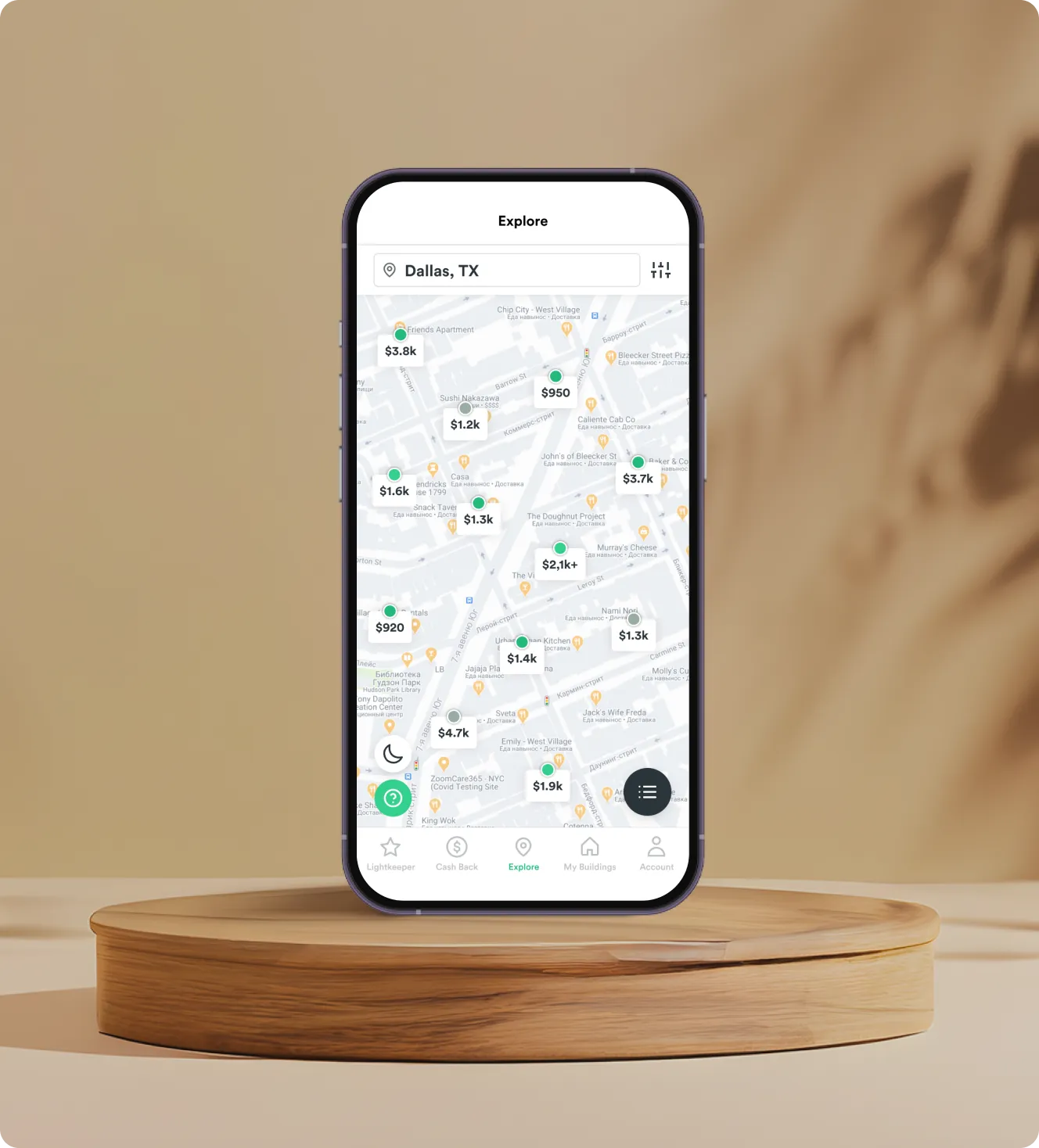

Find your dream home


Over 9,000+ properties with cashback

Property specials

Check out apartments offers throughout Texas. Lighthouse offers you many special relocation offers, our options involve very favorable discounts and cashback on rental properties.

New builds
Explore the latest lease-ups and recently constructed apartments across Texas. We provide a wide list of properties to meet your needs.

Property managers
Discover the top property managers in Texas. This can help you find a property manager you trust who can help you make a successful transaction.

Employers
Find an apartment quickly near your employer. Explore the large list of employers and find the right one for you.
Lighthouse Blog
More articles


What would you like to know about Lighthouse?
Find Apartments
What is Lighthouse?

Cash back: What’s the catch?
Are there any extra costs with using Lighthouse?
Do you raise the price of rent to offer cash back?
How do I get my cash back?
What happens if I forget to add Lighthouse as my referral on my application?
Use UMoveFree and get a free move or $200 rebate

Your Personal Apartment Locator
Search 96% of Texas Apartments
Get a Free Move or $200 Rebate